Hand Arm Vibration System from Castle

Hand-arm vibration (HAV) is vibration transmitted into workers' hands and arms from work processes such as operating hand-held power tools. Frequent exposure to moderate- and high-intensity HAV can cause hand-arm vibration syndrome (HAVS). HAVS is a general term that refers to the damage to nerves, blood vessels, muscles, and joints in the
(PDF) A Review of HandArm Vibration Studies Conducted by US NIOSH since 2000
The number of holes that can be drilled for a particular tool and given diameter, depth, work piece material and consumable in a working day before the EAV and ELV (shown in brackets) are given in the productivity data section. The red value is the number of HSE points per hole for the given tool and application. 66 min. concrete 40 N/mm² TE.
Hand Arm Vibration Assessment Safety First Group Ltd

Hand Arm Vibration can be prevented, providing the operator and their employer take the appropriate early steps to reduce the risks of over exposure to vibration. Once Hand Arm Vibration Syndrome has been onset it is impossible to cure. It is therefore essential that individuals know the risks and employers take the preventative
The handarm vibration database, a sample browse page. Download Scientific Diagram

Hand-arm vibration at work. Hand-arm vibration comes from the use of hand-held power tools and is the cause of significant ill health (painful and disabling disorders of the blood vessels, nerves and joints). Worried about your hands; Advice for employers; Health surveillance; Key messages. HAVS is preventable, but once the damage is done it is.
Toolbox Talk Hand Arm Vibration Syndrome Garco Construction General Contractor for

The calculator is a spreadsheet file (Microsoft Excel) which may be downloaded and saved on your computer. Click on the white areas and enter a representative vibration magnitude (in m/s2) and an exposure duration (in hours and/or minutes). You can do this for up to six different machines or processes. Information on tool types may be entered.
handarm vibration and control of it's Risk HSSE WORLD

typical vibration magnitudes for power hand tools commonly used at Department of Defense installations. The list of tools in the table is comprised from the EU Good Practice Guide HAV V7.7 and the OPERC/Birmingham City University Hand-Arm Vibration Wall Chart. Table 1. Typical Vibration Magnitude for Commonly Used Tools Tool Type Vibration
Health & Safety • Smiths Hire

In the U.S. alone about 2.5 million workers are exposed daily to Hand-Arm Vibration (HAV) from the power tools they use on-their-jobs. The Medical Effects of Hand Arm Vibration/ Treatment It is well known and documented since 1918 that daily occupational exposure from many, but not all, pneumatic, electric, hydraulic, or gasoline powered.
Hand and arm vibration differences between operatives

The hand-arm vibration chart is used for hand-arm vibration testing. The chart is based on ISO 5349-1 Wh frequency weighting for hand-arm vibration. The top of the chart is located at 8 to 10 Hz where are the most harmful resonant frequencies for hands and arms. A hand-arm vibration chart is a valuable tool for exposure assessment and the.
Online Hand Arm Vibration Training HAVS Training iHASCO

Hand-arm vibration syndrome (HAVS) is a condition associated with the use of hand-held vibrating tools that has vascular, neurologic, and musculoskeletal features. 1 Its vascular component, also known as vibration white finger (VWF), is a type of secondary Raynaud phenomenon and the most well established manifestation of HAVS. 2 Hand-arm vibration syndrome is substantially underrecognized in.
(PDF) Handarm vibration poster

Tool_Summary_L_vs_U.xls. NIOSH has developed a database of sound power levels (SWLA), hand-arm vibration levels m/s2, and technical specifications of powered hand tools commonly used in construction settings. The tools were tested in accordance with ANSI S12.15, ISO 3744, ISO 5349/1, and 5349/2. This table displays SWLAs for both the loaded and.
(PDF) A clinical assessment of seventyeight cases of handarm vibration syndrome

No. You need to know who is at risk from exposure to hand-arm vibration sufficient to plan for control of that risk. Exposures vary from day to day and from person to person according to the detail of the work and the techniques of individuals. Nevertheless, the magnitudes of vibration from the tools used and the durations of use in a workplace.
What is Hand Arm Vibration Syndrome?

An online Hand-Arm Vibration Database containing accurate field data for a large cross-section of tools and activities.. (including field engineering), simply select tools, activities and estimated trigger times, add references and then download automatically generated risk assessment report. HAVS. Hand-arm vibration syndrome (HAVS) results.
Hand Arm Vibration Chart
Recommendation 2: Tool manufacturers should modify and redesign tools to reduce hand-arm vibration. Tools with reduced vibration levels should be furnished to workers. Purchasers are encouraged to request suppliers to provide evidence that their equipment reduces vibration. More research is needed before a specific standard can be recommended.
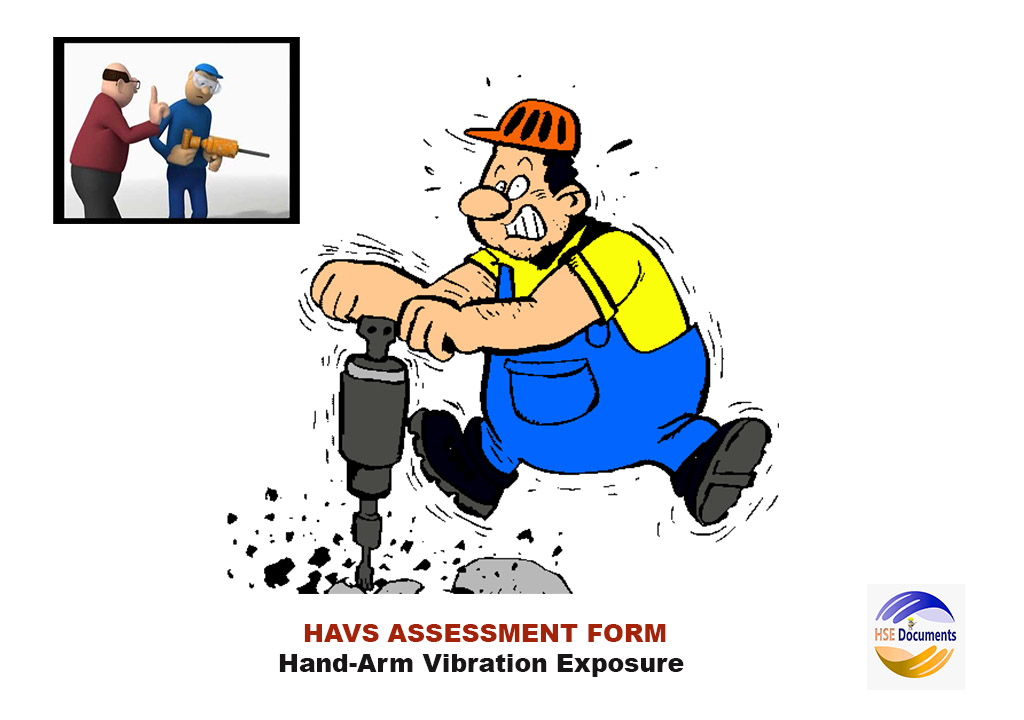
HandArm Vibration Exposure Calculator HSE Documents
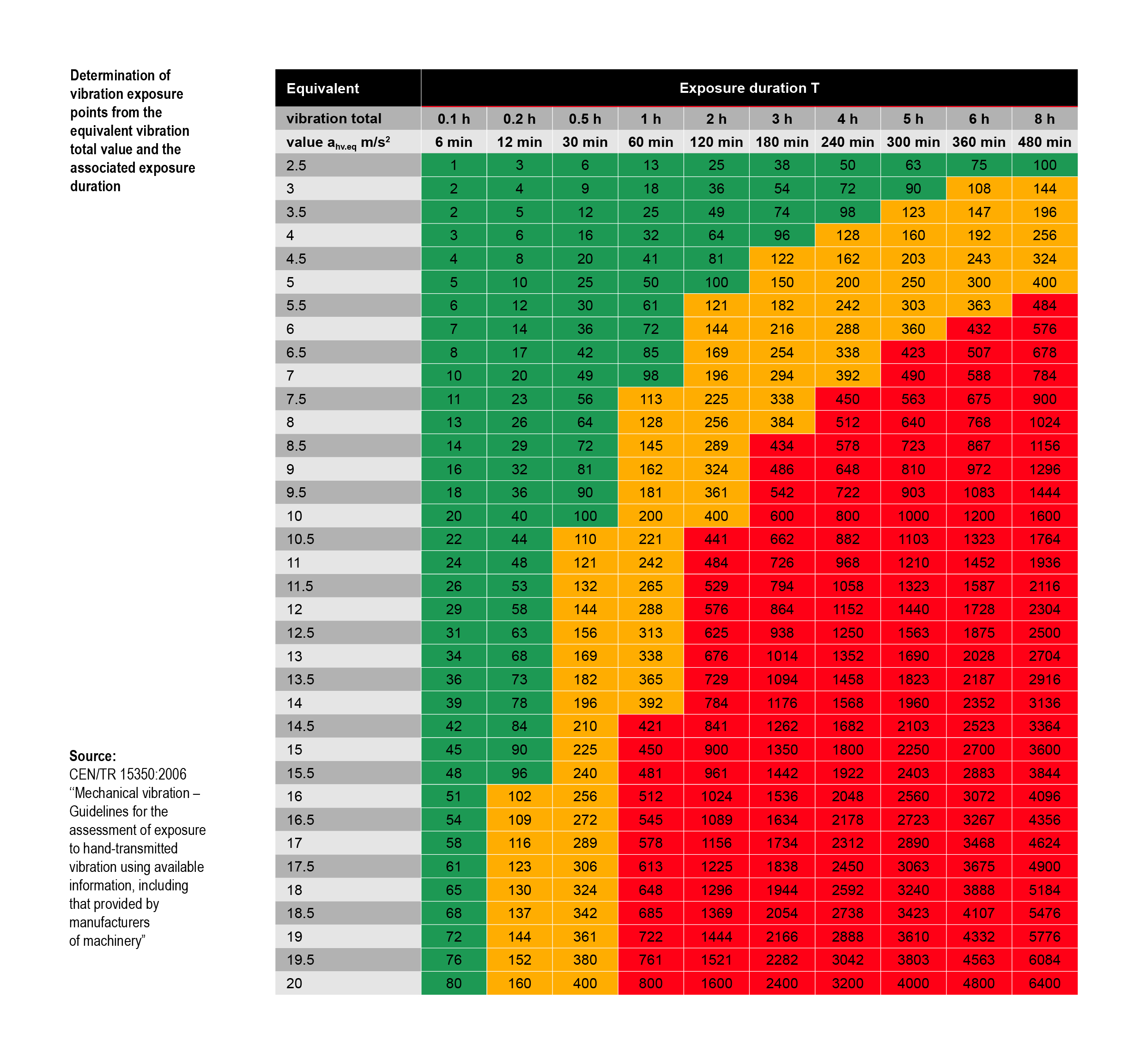
The length of exposure to hand-arm vibration is measured in metres per second squared (m/s²). You are at greater risk if you use a tool rated above 2.5 m/s² throughout an 8-hour working day. Continuous use of a tool rated above 5.0 m/s² represents a dangerously high risk. If using a variety of tools see the table below. 08457 28 28 28.
What is a Hand Arm Vibration Risk Assessment Pulsar Instruments

For hand-arm vibration the EAV is a daily exposure of 2.5 m/s2 A(8). There is also a level of vibration exposure that must not be exceeded. This is called the exposure limit value. The Exposure Limit Value (ELV) is the maximum amount of vibration an employee may be exposed to on any sin-gle day. For hand-arm vibration the ELV is a daily expo-
HAVS Calculator

2.4 The characteristics of vibration In considering hand transmitted vibration the vibration that is emitted by a tool is described using three key features, being: a. The direction of vibration being the "x", "y" and "z" axes, as in the diagram below. Initial work was based on measurement the level of vibration exposure
.